Tag: CD Office Hours

  • CD Office Hours Ep.14. Raising the bar on software delivery

    CD Office Hours Ep.14. Raising the bar on software delivery

    CD Office Hours Ep.14. Raising the bar on software delivery.
    Software Delivered
    CD Office Hours Ep.14. Raising the bar on software delivery
    Loading
    /

    In this episode of Continuous Delivery Office Hours, Tony, Bob, and Steve propose a raising of standards for software delivery.

    While most development teams can agree on some basic capabilities, like using version control rather than a network share to store code, as soon as you go beyond the simplest things, the level of agreement drops dramatically.

    But we have decades of high-quality research to guide us toward something better, and we should take inspiration from other industries that continually raise the bar for “what good looks like”.

    Watch now to delve into:

    • The evolution of delivery standards: While high-performing teams worked out new standards as they increased their throughput through Lean and Agile, those who haven’t raised the bar are now struggling to improve throughput with AI.
    • Feedback is the litmus test: Just as Ron Westrum captured the essence of organization in terms of information flow, we can test our software delivery by paying attention to feedback loops.
    • The 23 things: We think there are about 23 interconnected capabilities and practices that set the minimum standard for professional software delivery (but we don’t list them all in this episode!
    • Shopping, watertight houses, and the Omaha basement: We draw inspiration from buildings to highlight the necessity of interconnected practices.

    Episode details

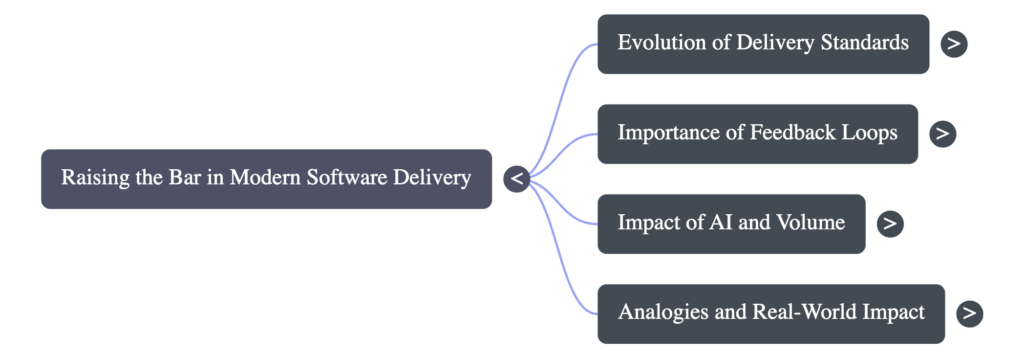
    Episode map shows raising the bar on software delivery linked to the evolution of delivery standards, the importance of feedback loops, the impact of AI and volume, and analogies and real-world impact.

    You can also watch episodes on YouTube.

  • Modernizing legacy software

    Modernizing legacy software

    In CD Office Hours episode 9, we discussed the compliance ratchet and how accelerating software development without the right practices can lead to an irreversible increase in controls. In this episode, we look at a classic software problem: the lure of the software rewrite and the inevitable hazards such endeavors bring.

    When the cost to maintain the software and add new features becomes burdensome, a decision is often made to rewrite it rather than improve it “in place”. This is sometimes a valid approach, but more often it’s based on an exaggeration of how bad the code is and an understatement of the work involved.

    In some cases, the qualities of the codebase that a team dislikes stem from an architectural decision they don’t understand, either because there’s no record of it or because the records aren’t put to use. In many cases, the layers of change applied to the code over time have made it messy and hard to comprehend.

    When considering a big-bang rewrite, it is practically impossible to determine whether the rewrite is required or will provide a return on investment. That’s why big-bang rewrites have such a high failure rate and should be avoided.

    Watch the episode

    Legacy or heritage

    The term “legacy” has become associated with old and unusable software, but more often, legacy software is the long-running backbone of an organization. It captures vast institutional knowledge and endures for so long because it works. In many cases, software inevitably becomes legacy software, as the alternative is that it fails.

    That’s why we prefer to use the term “heritage” software, as it’s an artifact of special value to the organization. The code for heritage software has captured not just the essence of the solution, but hundreds or even thousands of edge cases and enhancements based on years of learning.

    The hazards of the rewrite

    Most codebases have parts that are untidy or don’t make sense. There’s a tipping point that makes us want to rewrite the whole thing, but this is often the wrong reaction. It’s very rare for the cost of maintenance to exceed the cost of wholesale replacement.

    When teams consider a big-bang rewrite, they tend to estimate the task based on the obvious use cases. That means the new software is naturally cleaner, because it doesn’t handle any of the less obvious problems. When the new software version goes live, the team begins rediscovering the many edge cases that must be handled.

    By the time these edge cases have been incorporated into the software, it has started to look complicated once more, because the complexity came from the domain rather than a careless implementation. The team may find more graceful ways to handle edge cases, but by this time, the rewrite will have vastly exceeded all estimates of effort and expense.

    When the rewrite is complete, the organization will effectively be “back to square one”, which means they will have fallen behind the competition. That means the anticipated cost of maintenance and new features must be substantially lower to allow the software to catch up and pass competitor offerings.

    Essentially, wholesale rewrites should be avoided; a different approach is needed.

    Architectural and team strategies

    The alternative to the big-bang rewrite is to identify a specific component to replace. You might take a calculation routine and move it out of a monolith into a service, creating the missing tests and refining the routines as you extract it. The result is a new, highly maintainable component and a slightly smaller monolith that calls it rather than doing the work itself.

    This is the strangler fig pattern, named for the plants that cheat the competition for sunlight by growing high up on a host tree, eventually sending down their own roots and often remaining after the host tree has died and rotted away. In the same way, the heritage software can continue to support users while an increasing number of components are rewritten and deleted from the monolith.

    You can use both domain-driven design and team topologies to inform your gradual rewrite. If you can identify a seam that would carve off a meaningful part of the domain and have a team that can own the domain and the component that serves it, you can create a meaningful interface for the software and improve the organization’s communication structure.

    Combining the strangler fig pattern with architectural and team design results in teams with deep knowledge of their specific areas and the ability to move with relative independence. The number of teams you have can be instructive when considering how far you want to break down a monolith into cohesive components.

    Wholesale rewrites invite disaster, but working in small steps and considering organizational design as well as architectural design is the path to success.

  • The compliance ratchet

    The compliance ratchet

    In the last episode, we talked about AI efficiency and effectiveness. That meant thinking not just as a beneficiary user but also as an end user. In this episode, we bring the authority to bear when we discuss the compliance ratchet. It turns out that there is an equal and opposite reaction in software, just like physics. If you speed up your software delivery velocity without the right practices in place, you encounter trip hazards that cause your organization to tighten controls.

    The most dangerous part of this reaction is that compliance controls are added very easily, but are difficult or impossible to remove. That means you can trigger a one-way ratchet that permanently hampers your software delivery performance.

    At the moment, it’s common for teams to use AI to increase the volume and pace of their software development. If this results in outages or high-profile bugs, compliance controls are slapped on the team. This often pushes the pace of change back to pre-AI levels, preventing any return on the AI investment.

    Watch the episode

    Balance the AI investment

    One of the mistakes of introducing AI coding tools is expecting immediate gains. This puts pressure on teams to produce more changes and discourages them from introducing the pipelines and practices that will unlock the velocity and safety of sustainable high-performance software delivery.

    On top of balancing the need for enabling practices, it’s also crucial to balance where you apply AI. If you only use AI to increase coding speed, the increased change volume will be absorbed by downstream bottlenecks. That means you need to consider where the investment has the greatest impact on the end-to-end flow of value, rather than speeding up individual stages and pushing more work into queues for review, approval, deployment, and feedback.

    Unlock the ratchet

    The controls you have in place for software delivery were likely created for a different time. They accrue as a result of organizational trauma: a bad deployment during a peak period means a 3-month deployment freeze, or a bad dependency means every change needs a senior developer review. Even if the team has learned from those mistakes, the controls remain.

    Now might be a good time to revisit your path from a developer’s laptop to production, documenting each control and deciding whether it’s still necessary, and whether there’s a better way to manage the controls you decide to keep, optimizing for both speed and stability. Each past decision made on the assumption that there was a trade-off between velocity and safety should be reconsidered to find a way to achieve both. Automated validation is often faster and more repeatable than manual validation, so you likely have a way to achieve both easily. Replacing manual stages with automation provides far better control than adding additional slow checks.

    Direction often beats speed

    If you’ve been hanging around in software development for any length of time, you’d think all people cared about was speed. This is one of the great distractions of the past 3 decades. Teams adopted Agile for speed, they adopted DevOps for speed, and now they’re buying AI coding tools for speed. As described in The Bullseye Model, the ultimate goal isn’t speed, but a combination of speed and direction. When you aren’t sure what users want, delivering software versions early and often helps you discover their needs and what works. Ultimately, though, you’re trying to hit the bullseye with perfect software, and that means direction is at least as important as speed, perhaps more so.

    All of these insights point to a necessary shift in software delivery; one that is long overdue. For a long time, we’ve treated technical practices as optional, but with the velocity and scale of modern software, that’s no longer true. We’ll be talking more about this in the future.

  • CD Office Hours Ep.13. DevOps is dead!

    CD Office Hours Ep.13. DevOps is dead!

    CD Office Hours Ep.13. DevOps is dead!
    Software Delivered
    CD Office Hours Ep.13. DevOps is dead!
    Loading
    /

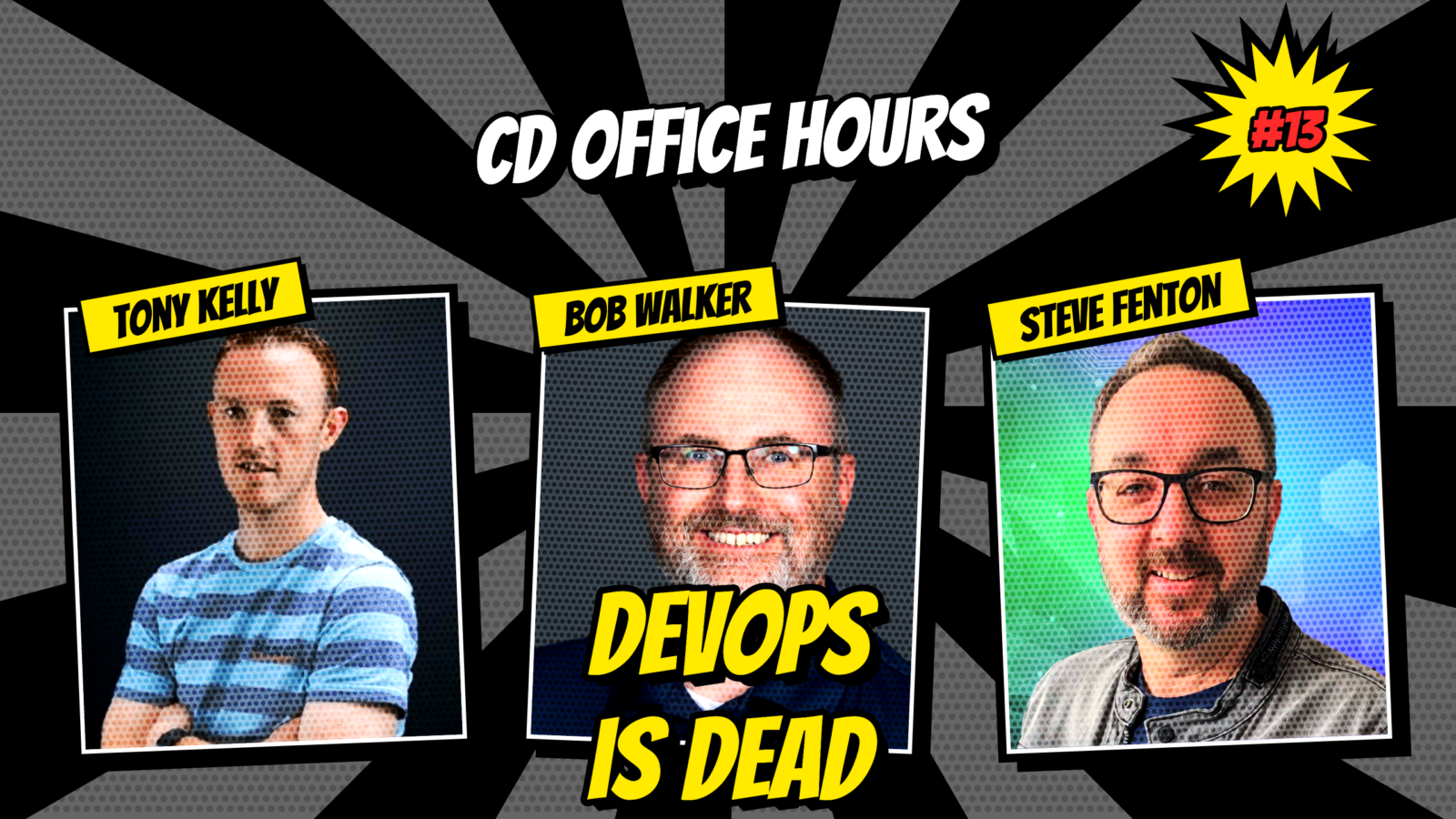
    In this episode of Continuous Delivery Office Hours, Tony, Bob, and Steve tackle the controversial headline “DevOps is dead” and unpack our industry’s bizarre obsession with killing off its own concepts.

    We seem to suffer from a collective amnesia every six to twelve months, leading us to abandon powerful ideas as soon as they get hard or misunderstood. If we treat DevOps as a bloated “ivory tower” process or reduce it to a simple checklist, we miss the point entirely. The name itself may be heavily polluted, but the core practices of collaboration, breaking down silos, and delivering safely are far from obsolete.

    Declaring DevOps dead is often just an escape hatch for simpler checklists, like treating Platform Engineering as an easy shortcut rather than doing the hard cultural work. Ultimately, whether we call it DevOps, Platform Engineering, or something else, we still have to deliver high-quality software safely.

    Watch now to delve into:

    • Defining DevOps: Reducing friction between silos vs. the “one process to rule them all” ivory tower trap.
    • Collective amnesia: Why our industry keeps forgetting past lessons and “grabbing hold of bees”.
    • The rise of Platform Engineering: How fatigue drives us toward simpler checklists.
    • A 70-year future outlook: Which core practices, like small incremental changes and blameless post-mortems, will survive the age of AI.
    • Generative culture: Why treating people well and ensuring psychological safety is the ultimate cheat code for software success.
    Episode details

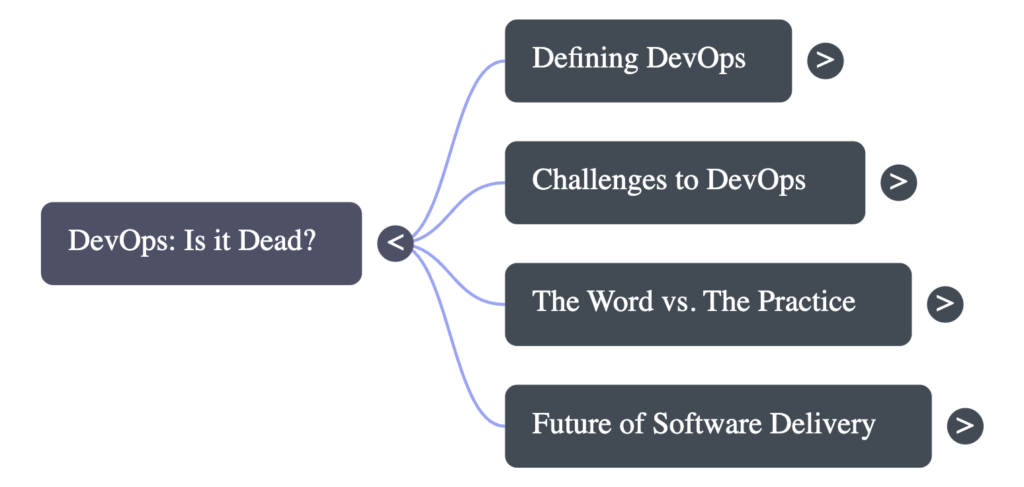
    A mind map showing DevOps is dead linking to defining DevOps, Challenges to DevOps, the word versus the practice, and the future of software delivery.

    You can also watch episodes on YouTube.

  • AI efficiency and effectiveness

    AI efficiency and effectiveness

    In the previous episode, we discussed modern multi-tenancy, including why application-level multi-tenancy is unnecessary in modern infrastructure. In this episode, we tackle AI efficiency and effectiveness.
    There’s now broad acceptance that AI doesn’t unlock whole-system benefits when it’s applied to the wrong places, or when teams lack the foundations to support it.

    Read on to find out why AI is creating a new kind of gatekeeper, why there’s less pressure to say no to features, and why you need to treat your deployment pipeline like a pizza oven.

    Watch the episode

    You can watch the episode below, or read on to find some of the key discussion points.

    The infuriating AI gatekeeper

    By now, most of us have been on the receiving end of a terrible interaction with an organization that’s put an AI chat tool in front of their support or customer service. We can formalize and explore this problem using the beneficiary user and end user types:

    • Beneficiary user: The person benefiting from making a task easier using AI.
    • End user: The person interacting with the AI or its output.

    Sometimes these are the same person, but in many cases, the beneficiary user enjoys a reduced workload while the end user has to run a chatbot gauntlet, review a 15-page vibe-written strategy document, or deal with a poor automated decision.

    The ethics of scale explains how to use automation responsibly, and the same thinking applies to how we affect other people through our use of AI.

    There’s less pressure to say no

    We no longer need to say no to a feature just because we assume AI will make it cheap and fast to build. That removes a pressure many product managers have relied on to keep their roadmap in check, which makes strong product management, backed by a clear product vision, more important than ever. Without it, products become bloated with features, overwhelming users with too many options and losing the simplicity of a curated, opinionated feature set.

    Many organizations decline features only because they don’t have the capacity to build them all. If these teams lose that natural mechanism for trimming their roadmap, they might add features that don’t improve the product for most users. That makes the software less valuable, because it becomes harder to understand, harder to use, and harder to maintain.

    The software delivery pizza oven

    You need certain foundations in place to deliver software in a way that optimizes for feedback. The pizza oven analogy helps illustrate why.

    Making a pizza starts with a human process: the dough is hand-stretched, and the toppings are added. Once that’s done, the pizza moves onto a conveyor belt that carries it through the oven at a fixed speed, so it’s always cooked properly and safe to eat.

    Software delivery should work the same way. Humans apply their unique skill and taste to create change, then that change travels through a deployment pipeline that checks it works and is safe to use.

    Either way, speed only matters end-to-end. There’s no point preparing a pizza if you can’t get it through the oven, and no point stacking up cooked pizzas if customers aren’t ordering and enjoying them.

    Too many teams speed up pizza preparation without a good oven. That’s the start of a painful downward spiral toward large-batch, high-risk, high-failure software delivery.

  • CD Office Hours EP.12. The platform adoption shock

    CD Office Hours EP.12. The platform adoption shock

    CD Office Hours Ep.12. The platform adoption shock
    Software Delivered
    CD Office Hours EP.12. The platform adoption shock
    Loading
    /

    In this episode of Continuous Delivery Office Hours, Steve, Charlotte, and Matt take a sneaky look at the forthcoming Future of Platform Engineering report. They look at changes in adoption patterns since the Platform Engineering Pulse report published last year.

    The pressure to force adoption has increased with AI stealing all the oxygen in the room, but the silver lining comes from a dramatic change in platform success, driven by platform teams increasing the quality and frequency of feedback from developers.

    Watch now to delve into:

    • Why mandatory adoption remains a persistent pressure
    • The role AI, security, and compliance play in the adoption drive
    • The shift in developer sentiment
    • Why adoption patterns are becoming a less helpful signal

    Episode details

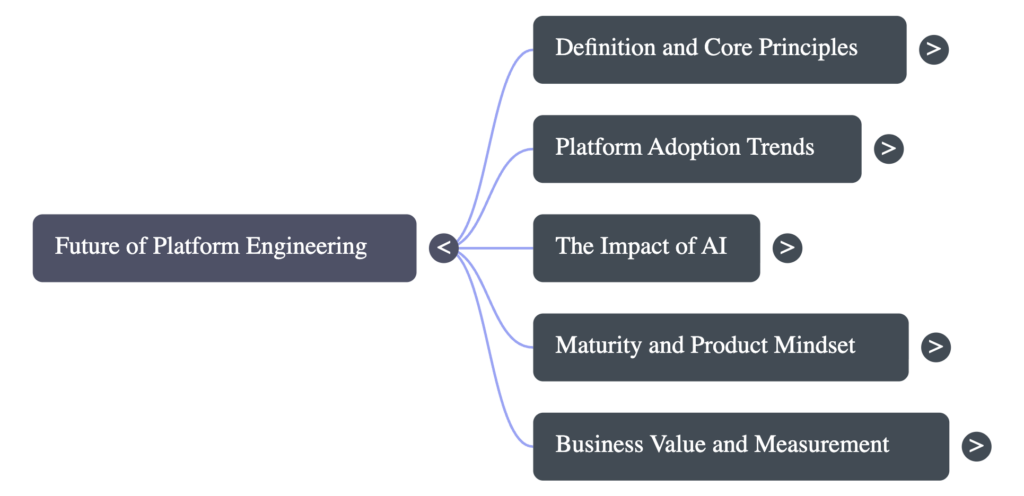
    An episode map showing the topics" Definition and core principles, platform adoption trends, the impact of AI, maturity and product mindset, and business value and measurement.

    You can also watch episodes on YouTube.

  • CD Office Hours Ep.11. Haute culture!

    CD Office Hours Ep.11. Haute culture!

    Continuous Delivery Office Hours Ep.11. Haute culture!
    Software Delivered
    CD Office Hours Ep.11. Haute culture!
    Loading
    /

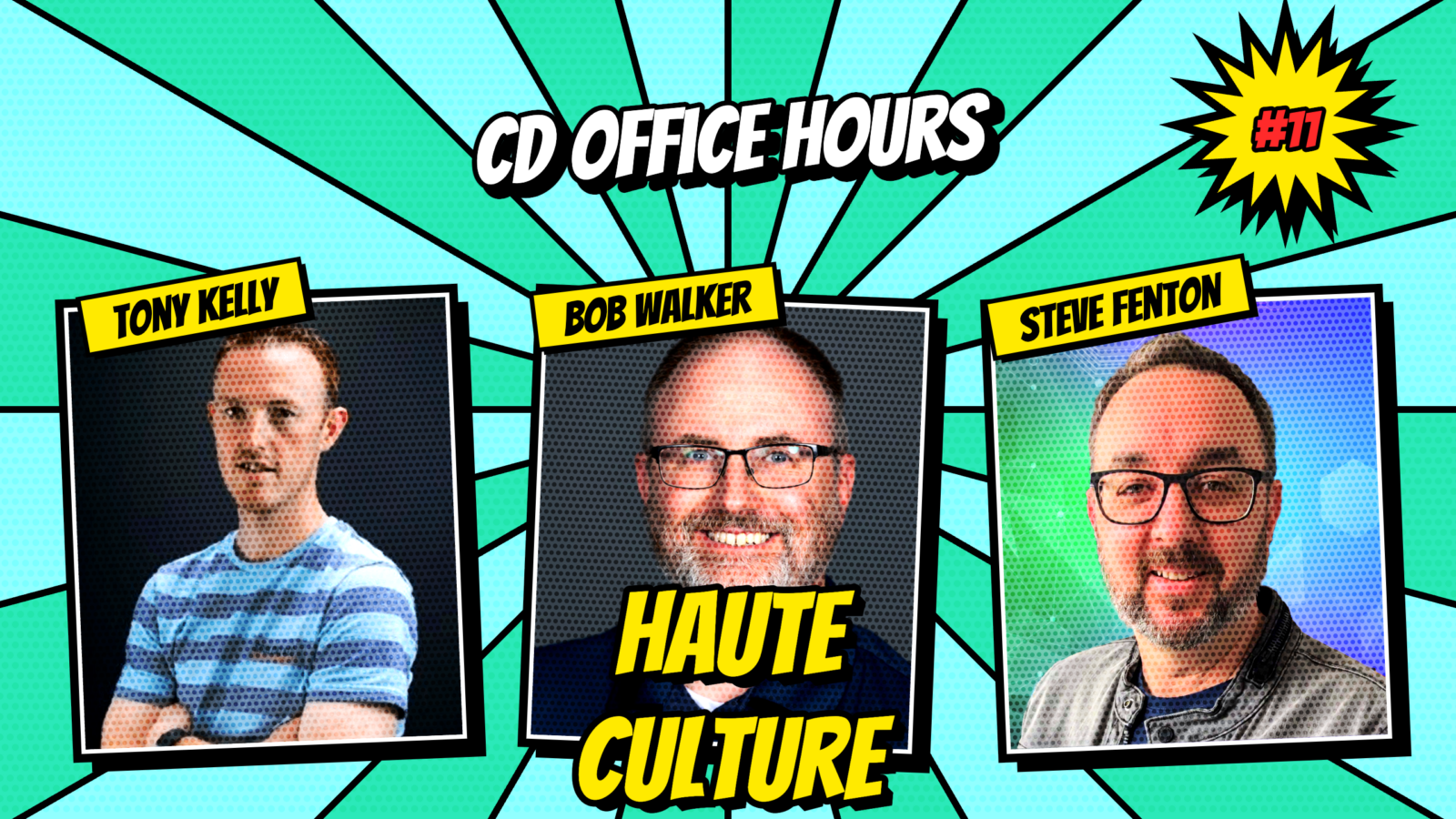
    In this episode of Continuous Delivery Office Hours, Tony, Bob, and Steve focus on the concept of “haute culture”, or high-performing organizational culture.

    Culture design and posters on the wall do nothing without consistent daily proof through small interactions. When you say you provide psychological safety but respond to an incident with “Who’s responsible?” you prove you’re not a safe space.

    Poor organization culture makes people clam up, and once the information stops flowing, you start making all your decisions in the dark.

    Watch now to delve into:

    • Aspirational culture versus lived reality
    • Information flow
    • Blameless retrospectives and systemic thinking
    • Using Radical Candor to give feedback
    • Pathological workplace therapy

    Why not try out the Octopus interactive organizational culture assessment?

    Episode details

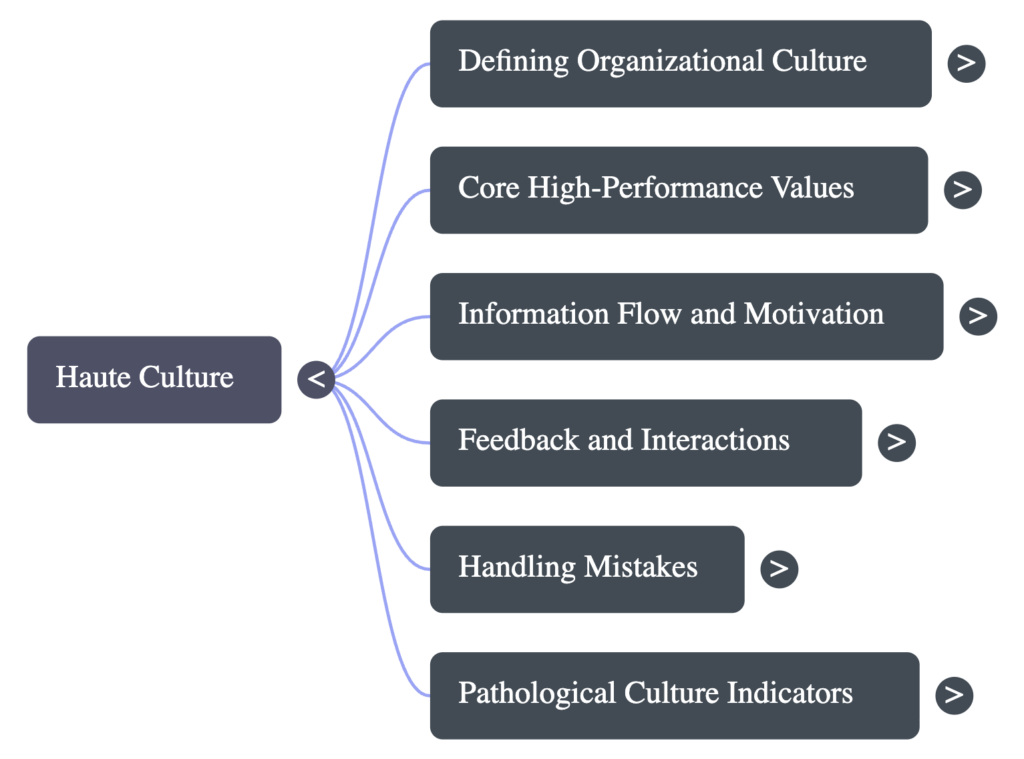
    Episode map shows "Haute Culture" linked to defining culture, high performance values, information flow, motivation, feedback and interactions, handling mistakes, and pathological cultures.

    You can also watch episodes on YouTube.

  • CD Office Hours Ep.10. Modernizing legacy software

    CD Office Hours Ep.10. Modernizing legacy software

    Continuous Delivery Office Hours Ep.10. Modernizing legacy software
    Software Delivered
    CD Office Hours Ep.10. Modernizing legacy software
    Loading
    /

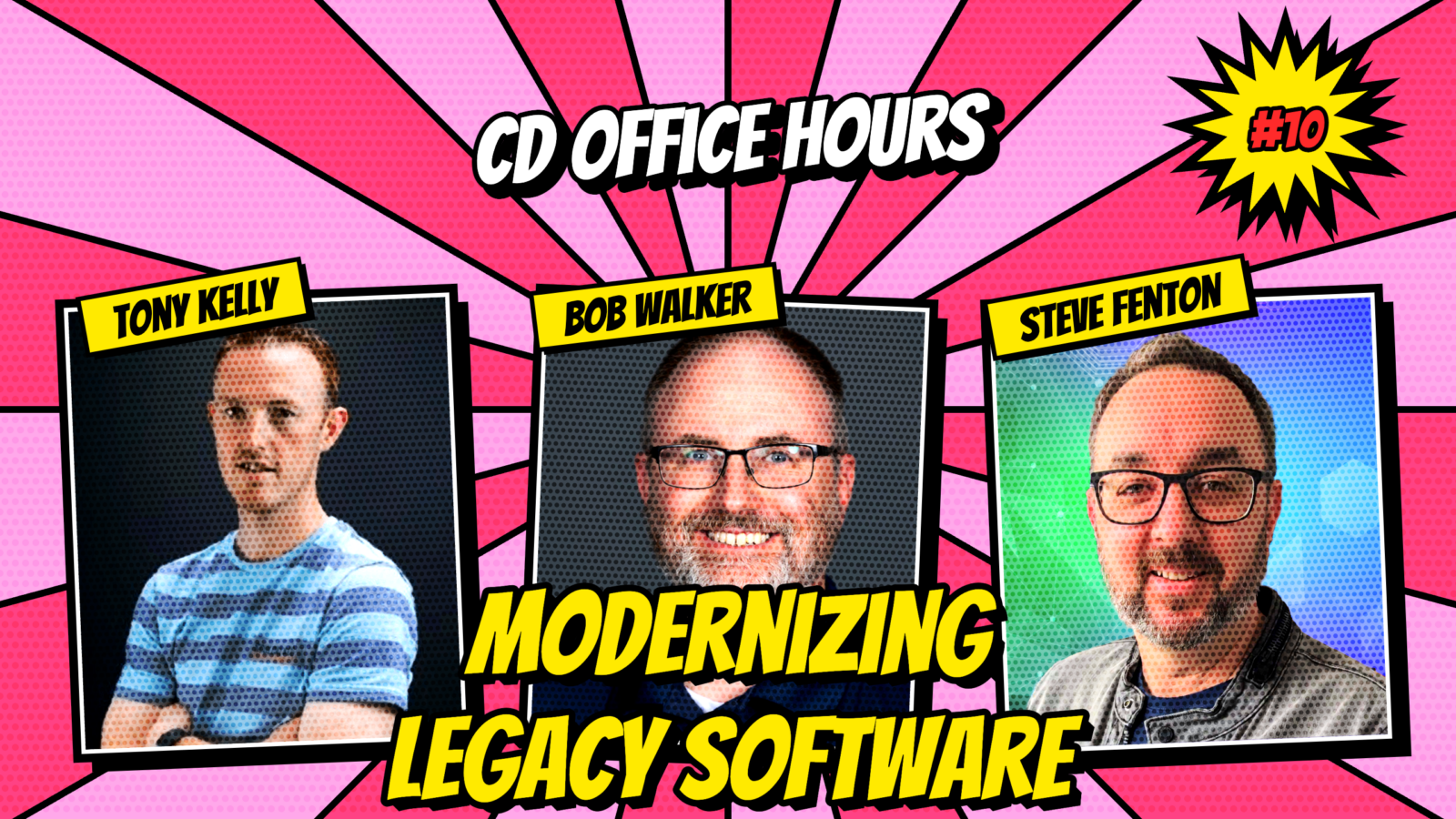
    In this episode of Continuous Delivery Office Hours, Tony Kelly chats to Bob Walker and Steve Fenton about modernizing legacy applications.

    Many teams and organizations face the decision on whether to modernize software that’s been running for years, and it’s no small undertaking.

    Listen to find out more about:

    • Why legacy applications are still hanging around
    • The common approach (that’s certain to fail)
    • What approaches work when you need to update or replace a legacy application

    Episode details

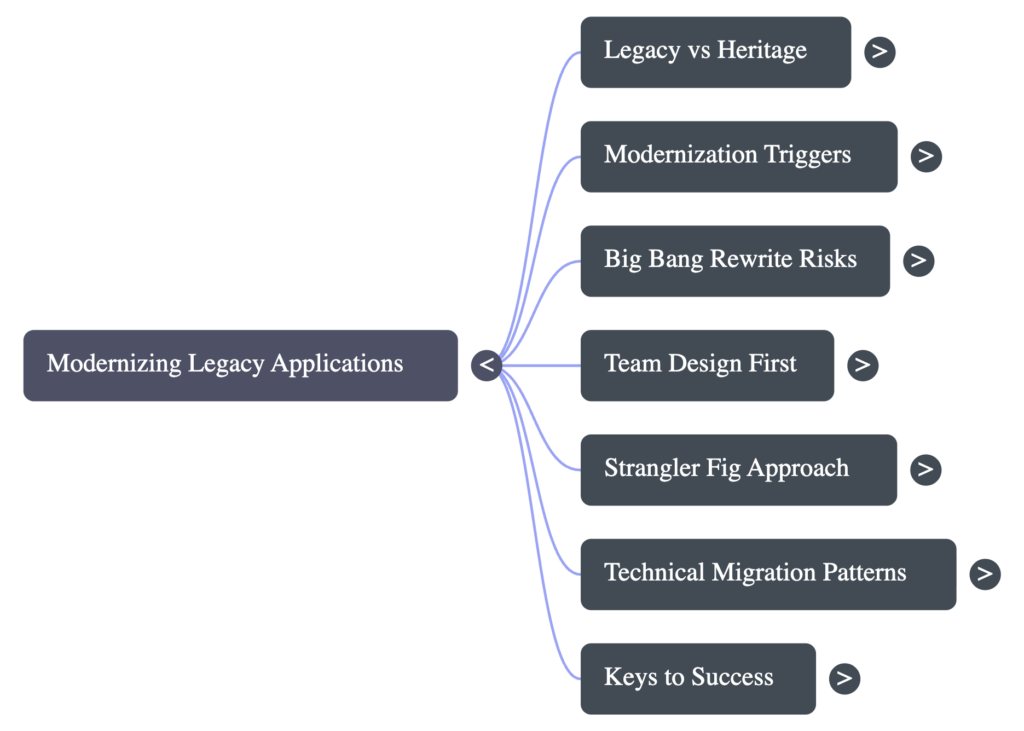
    Episode map showing modernizing legacy application, legacy vs heritage, modernization triggers, big band rewrite risks, team design first, strangler fig approach, technical migration patterns, and keys to success

    You can also watch episodes on YouTube.

  • CD Office Hours Ep.9: The compliance ratchet

    CD Office Hours Ep.9: The compliance ratchet

    Continuous Delivery Office Hours Ep.9. The compliance ratchet
    Software Delivered
    CD Office Hours Ep.9: The compliance ratchet
    Loading
    /

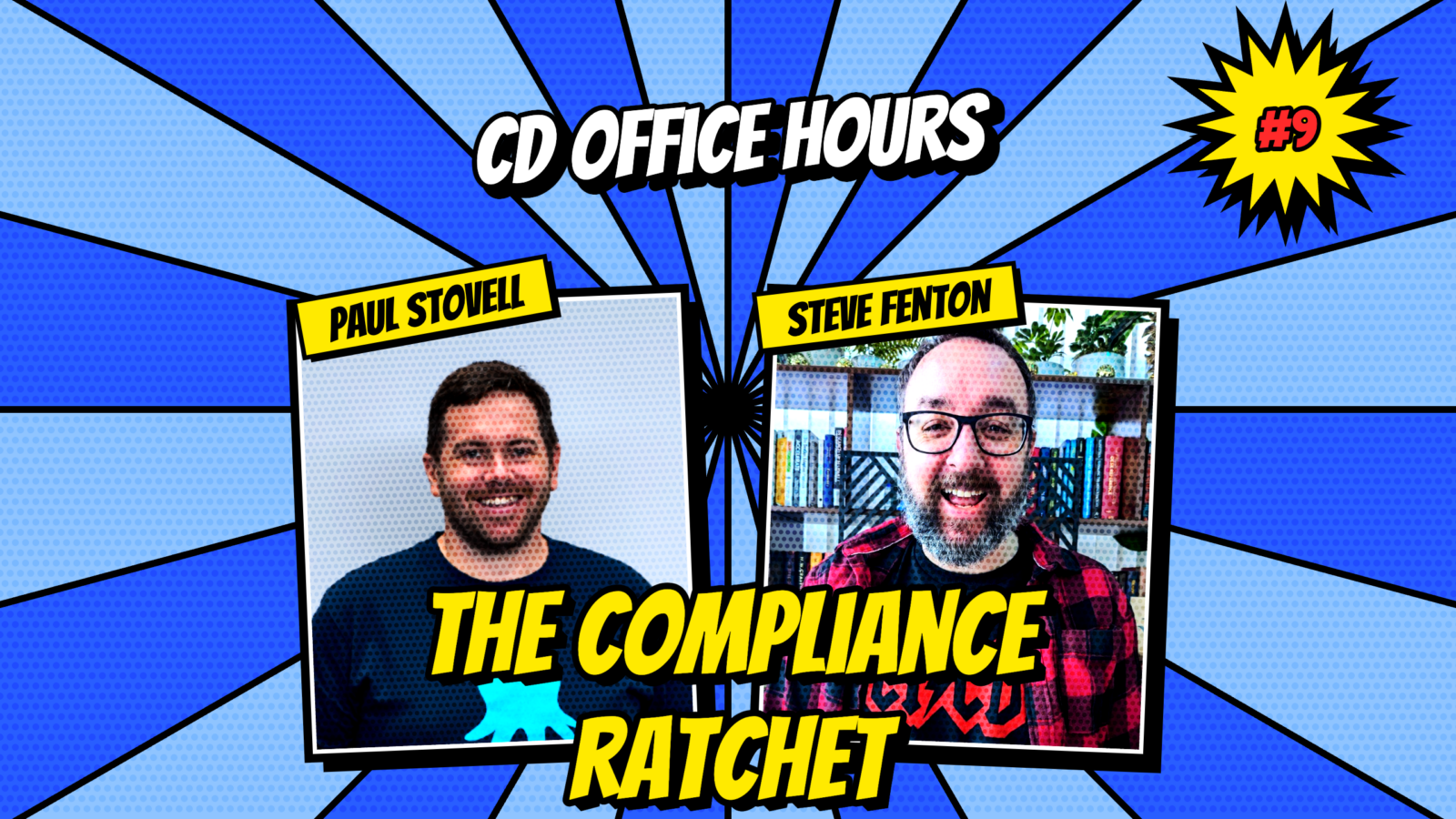
    In this episode of Continuous Delivery Office Hours, Steve Fenton is joined by Octopus Deploy founder Paul Stovell to explore the hidden bottleneck in the AI productivity conversation that nobody is talking about: compliance and risk tolerance.

    Everyone wants code written faster, so they are turning to AI to make it happen. But the constraint is never coding speed, it’s the organization’s appetite for change… and that means things are about to get more painful.

    The physics of organizations means faster change generation will create an equal and opposite reaction in risk-averse environments that introduces irreversible road blocks.

    Listen to find out more about:

    • Why developer velocity was never the real bottleneck in regulated organizations
    • The compliance ratchet: why risk requirements only ever go up, never down
    • How AI could be applied to risk assessment rather than just code generation
    • Why fragmented on-machine AI agents are creating a UX coherence crisis
    • The product velocity bullseye and why direction matters as much as speed How to avoid inviting regulation by rolling out AI responsibly

    Episode details

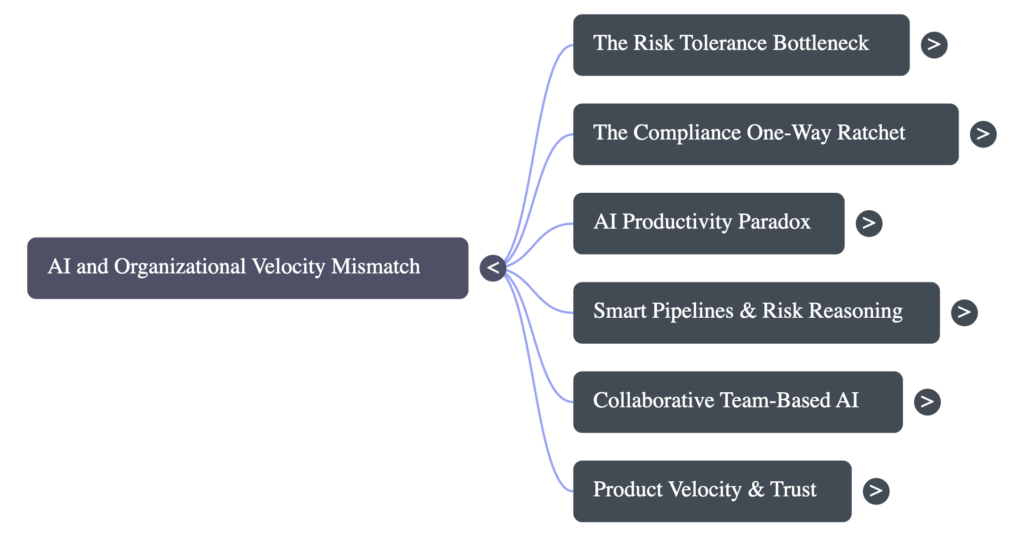
    Episode mind map showing AI and organizational velocity mismatch leading to a risk/tolerance bottleneck, the one-way ratchet, the productivity paradox, smart pipelines, risk reasoning, collaborative team-based AI and trust

    You can also watch episodes on YouTube.

  • CD Office Hours Ep.8: AI efficiency and effectiveness

    CD Office Hours Ep.8: AI efficiency and effectiveness

    Continuous Delivery Office Hours Ep.8. AI efficiency and effectiveness
    Software Delivered
    CD Office Hours Ep.8: AI efficiency and effectiveness
    Loading
    /

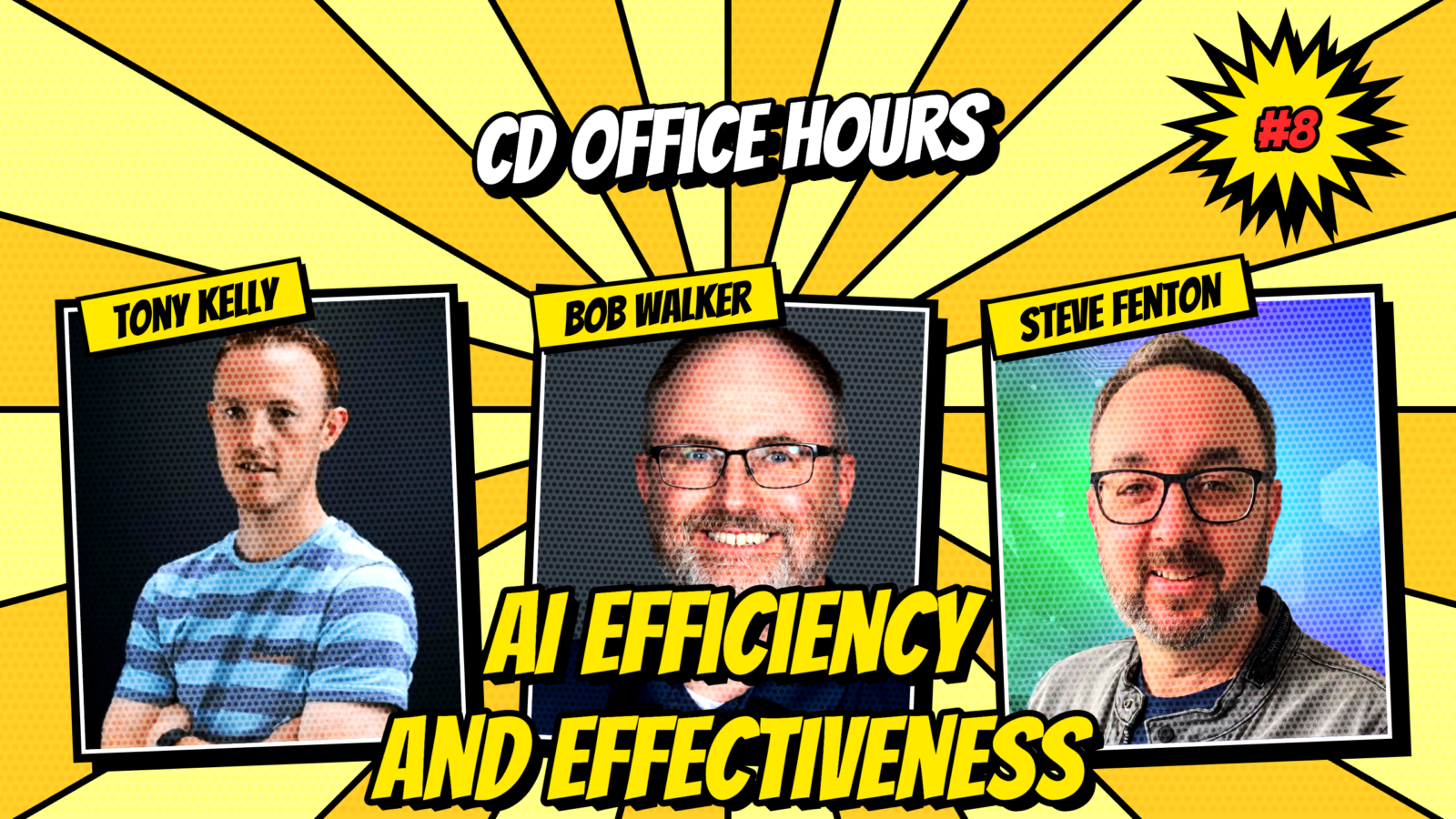
    In this episode of Continuous Delivery Office Hours, Tony Kelly, Bob Walker, and Steve Fenton discuss some of the tangled pathways around AI, the search for efficiency and productivity, and the need to re-focus on effectiveness and outcomes.

    You’ll find out about the beneficiary user versus end user divergence and where asymmetry can cause bad outcomes for end users and, ultimately, organizational goals. This leads to why the organizations succeeding with AI had the right foundations in place before their AI adoption.

    Listen to find out more about:

    • Beneficiary and user asymmetry and how it damages your business
    • The old measurement mistakes that are resurfacing alongside AI
    • Why developer productivity might not be moving the needle for your teams
    • How to easily predict whether an organization will be successful with AI
    • A pizza-oven metaphor for your software delivery

    Episode details

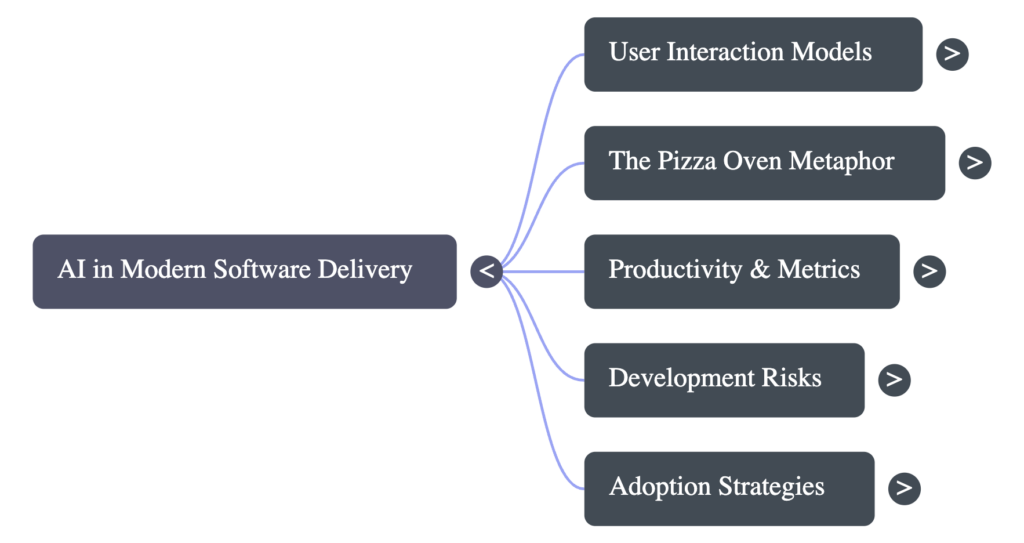
    Episode map showing AI in modern software delivery with nodes for user interaction models, the pizza oven metaphor, productivity and metrics, development risks, and adoption strategies

    You can also watch episodes on YouTube.

  • CD Office Hours Ep.7: Modern multi-tenancy

    CD Office Hours Ep.7: Modern multi-tenancy

    CD Office Hours Ep.7: Modern multi-tenancy
    Software Delivered
    CD Office Hours Ep.7: Modern multi-tenancy
    Loading
    /

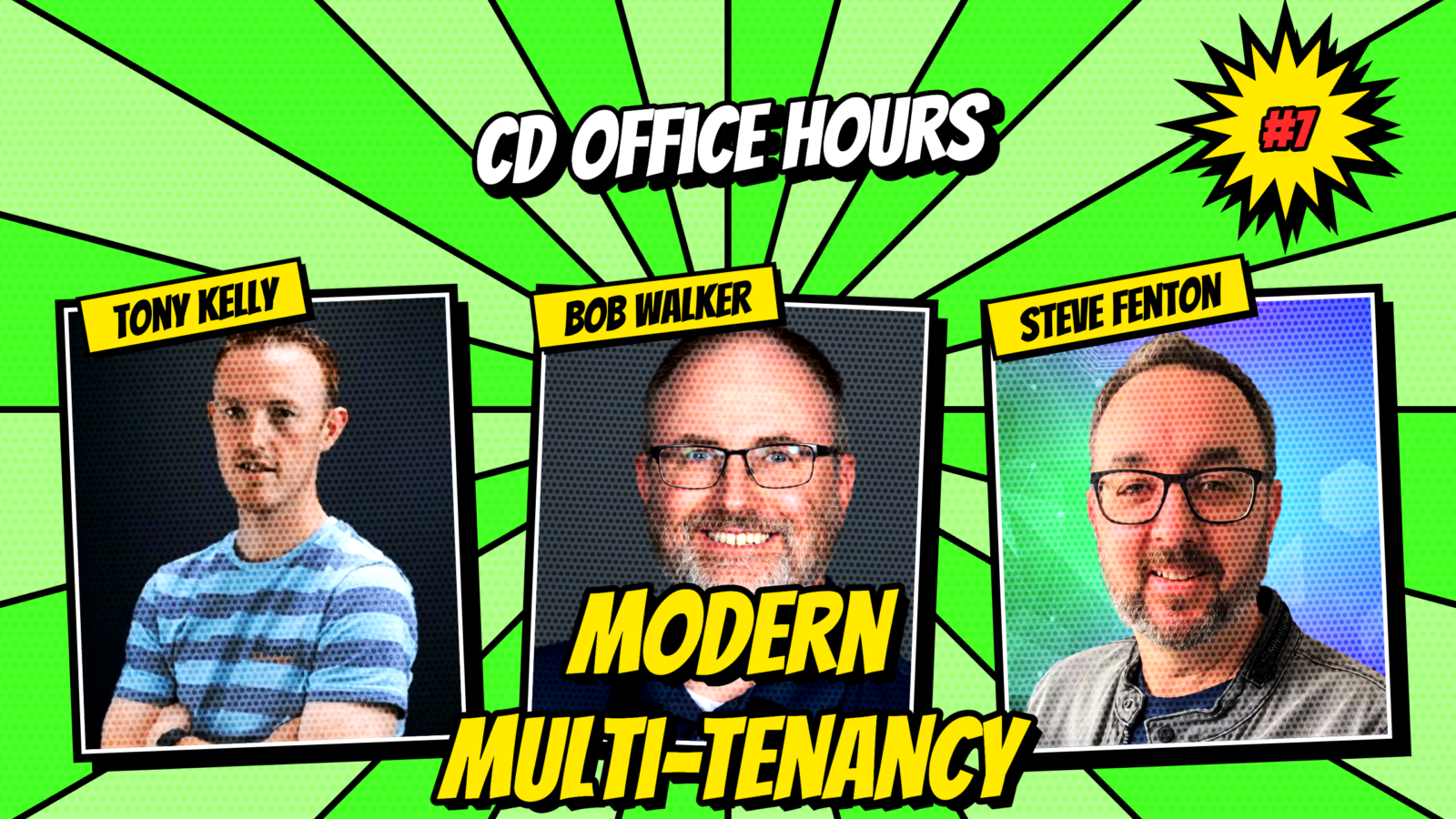
    In this episode of Continuous Delivery Office Hours, Tony Kelly, Bob Walker, and Steve Fenton discuss modern multi-tenancy and how different it is today than during the SaaS revolution.

    Multi-tenancy has a single purpose; sharing resources between users to get higher utilization from physical infrastructure by sharing it. Originally that meant time sharing on a single computer when it was too expensive to put one on every desk (and in every pocket). When SaaS gained traction, it often meant designing a single application to handle the workloads and data for many tenants, which might be entirely different companies.

    Modern multi-tenancy leans into the lightweight containerization options available today, where the sharing can be handled at the infrastructure level and applications no longer need complex architectures to manage multiple tenants. This reduces the amount of compromise surfacing through the application’s design and eliminates many of the scaling challenges.

    Listen to find out more about:

    • Different application architectures for multi-tenancy
    • The goals and own-goals caused by multi-tenanted architecture
    • Real-world stories of multi-tenancy for large-scale applications

    Episode details

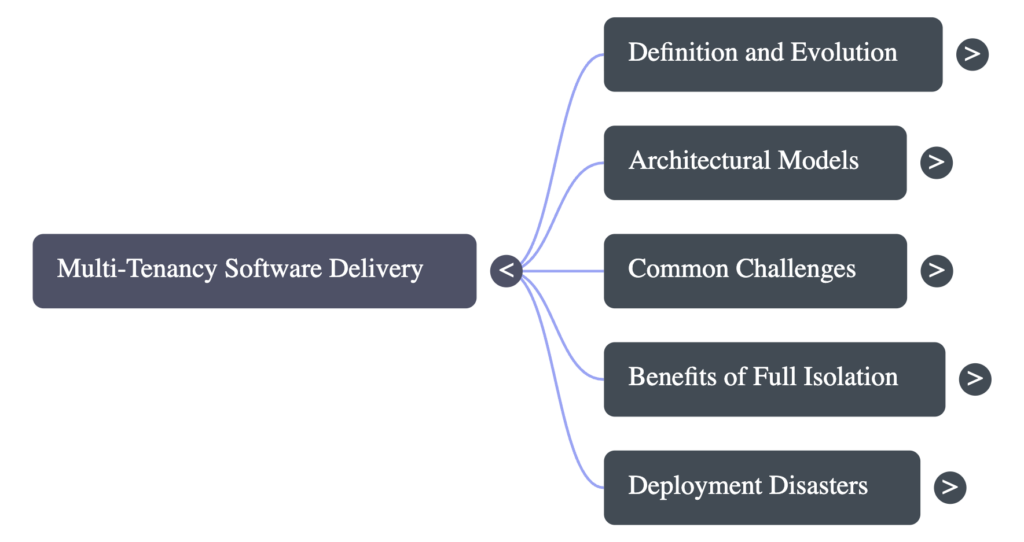
    Episode map showing multi-tenancy topics covered in this episode. Definition and evolution. Architectural models. Common challenges. Benefits of full isolation. Deployment disasters.

    You can also watch episodes on YouTube.

  • CD Office Hours Ep.6: Change approvals

    CD Office Hours Ep.6: Change approvals

    Continuous Delivery Office Hours Ep.6: Change approvals
    Software Delivered
    CD Office Hours Ep.6: Change approvals
    Loading
    /

    In this episode of Continuous Delivery Office Hours, Tony Kelly, Bob Walker, and Steve Fenton discuss the purpose and common pitfalls of software change approvals. They argue that strict, manual change approval processes are often just a reflex to past organizational trauma and an attempt to have “humans on the hook” to blame, rather than a valuable safety measure.

    Relying on excessive bureaucracy, like formal monthly review boards or demanding multiple manual sign-offs, significantly reduces deployment throughput and, according to DORA research, actually makes systems less stable. Instead, the experts advocate automating the vast majority of checks, like tests, linting, and scanning for dangerous database commands, so that human reviewers step in only to evaluate a filtered subset of complex or high-risk changes.

    Effective change management requires small review requests and daily co-ordination rather than formal change approvals.

    Listen to find out more about:

    • Change approval processes are often based on past organizational trauma
    • Most checks should be automated
    • Excessive manual approvals wreck throughput and reduce stability
    • If you review pull requests, they should be small

    Episode links

    Episode details

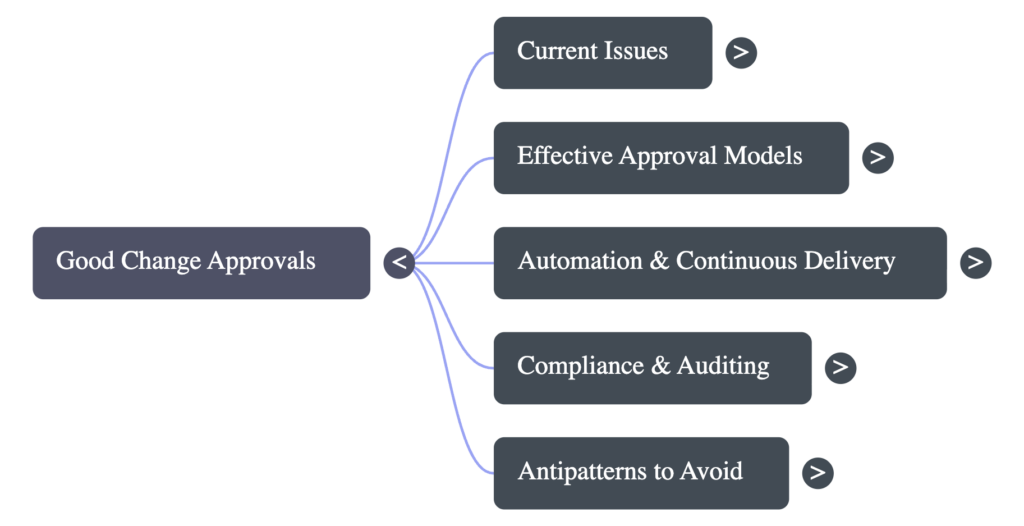
    Map showing good change approvals linking to current issues, effective approval models, automation, continuous delivery, compliance and auditing, and anti-patterns to avoid

    You can also watch episodes on YouTube.

  • CD Office Hours Ep.5: Delivering database changes

    CD Office Hours Ep.5: Delivering database changes

    Continuous Delivery Office Hours Ep.5: Delivering database changes
    Software Delivered
    CD Office Hours Ep.5: Delivering database changes
    Loading
    /

    While application code deployments have become highly automated and disciplined, database changes often remain manual, “folksy,” and prone to causing messy environment drift. Find out why databases require a uniquely cautious approach due to the severe risks of data loss and the impossibility of simple rollbacks, emphasizing the need to treat database deployments with the same rigor as application code.

    Listen to find out more about:

    • Why databases are fundamentally different
    • Crucial first steps for modernization
    • State-based versus Migration-based approaches
    • Tooling and Automation
    • Test Data Management
    • Database Refactoring Patterns
    • Real-world disaster stories

    Episode details

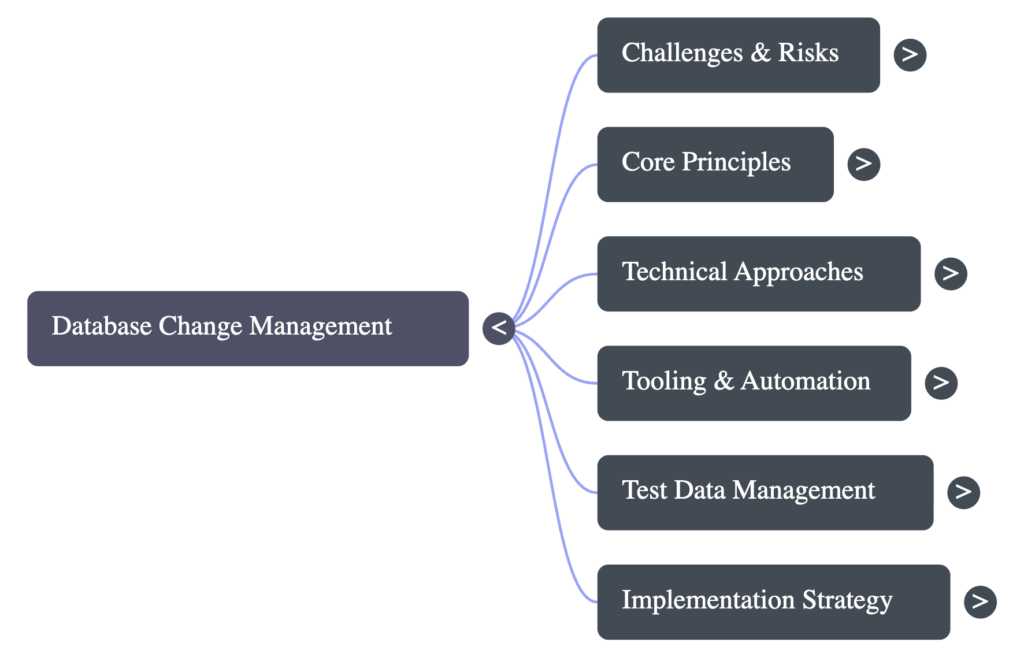
    Map showing database change management connected to challenges and risks, core principles, technical approaches, tooling and automation, test data management, and implementation strategy.

    You can also watch episodes on YouTube.

  • CD Office Hours Ep.4: Mono, Micro, Mesco

    CD Office Hours Ep.4: Mono, Micro, Mesco

    Continuous Delivery Office Hours Ep.4: Mono, Micro, Mesco
    Software Delivered
    CD Office Hours Ep.4: Mono, Micro, Mesco
    Loading
    /

    Your system’s architecture can support team autonomy, independent deployability, and independent evolution of components, or it can be a sticky mess. This episode looks at whether choosing a monolith or microservices fundamentally changes the crucial properties of your architecture.
    Listen to find out more about:

    • The many factors influencing architecture
    • How team design is part of architecture
    • How to choose between monoliths and microservices
    • The true measure of successful architecture

    Episode details

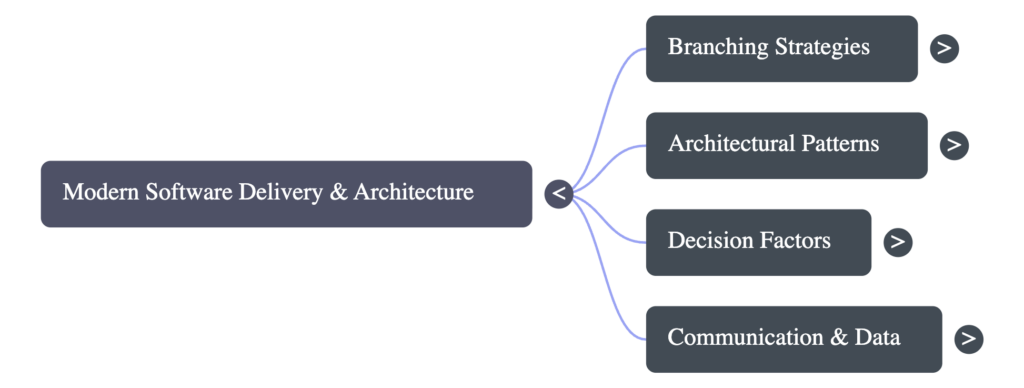
    Episode map showing modern software architecture and delivery, including branching strategies, architectural patterns, decision factors, and communication and data.

    You can also watch episodes on YouTube.

  • CD Office Hours Ep.3: Branching strategies

    CD Office Hours Ep.3: Branching strategies

    Continuous Delivery Office Hours Ep.3: Branching strategies
    Software Delivered
    CD Office Hours Ep.3: Branching strategies
    Loading
    /

    Your branching strategy can support Continuous Delivery, or make it an impossible goal. Teams should assess the impact of how they branch on their ability to deliver software at all times, and that means there are some branching techniques that make software delivery more like walking in the dark through a field of rakes.
    Listen to find out more about:

    • The best branching strategies
    • The worst possible branching strategy
    • How branching fits into Continuous Delivery
    • Confessions from our worst merges

    Mentioned this week:

    Episode details

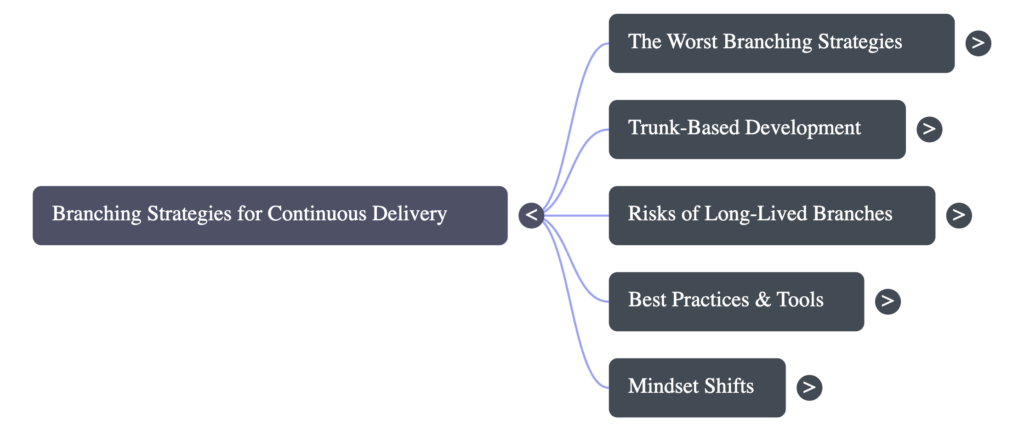
    Episode 3 map has entries for the worst branching strategies, trunk-based development, risks from long-lived branches, best practices and tools, and mindset shifts.
    You can also watch episodes on YouTube.

  • CD Office Hours Ep.2: Am I Deployable?

    CD Office Hours Ep.2: Am I Deployable?

    Continuous Delivery Office Hours Ep.2: Am I Deployable?
    Software Delivered
    CD Office Hours Ep.2: Am I Deployable?
    Loading
    /

    To ensure software is deployable, teams must shift from manual testing to automated pipelines. Automation provides immediate feedback, captures institutional knowledge, and reduces long-term costs. Strategies like the Strangler Pattern help modernize legacy code for greater reliability.

    Listen to find out more about:

    • How deployability depends on continuous automated verification
    • How automation is a long-term crucial investment
    • Strategies for modernizing legacy code
    • How automated tests are a form of living documentation
    • Why leadership buy-in and cultural alignment is a necessary pre-condition

    Episode map

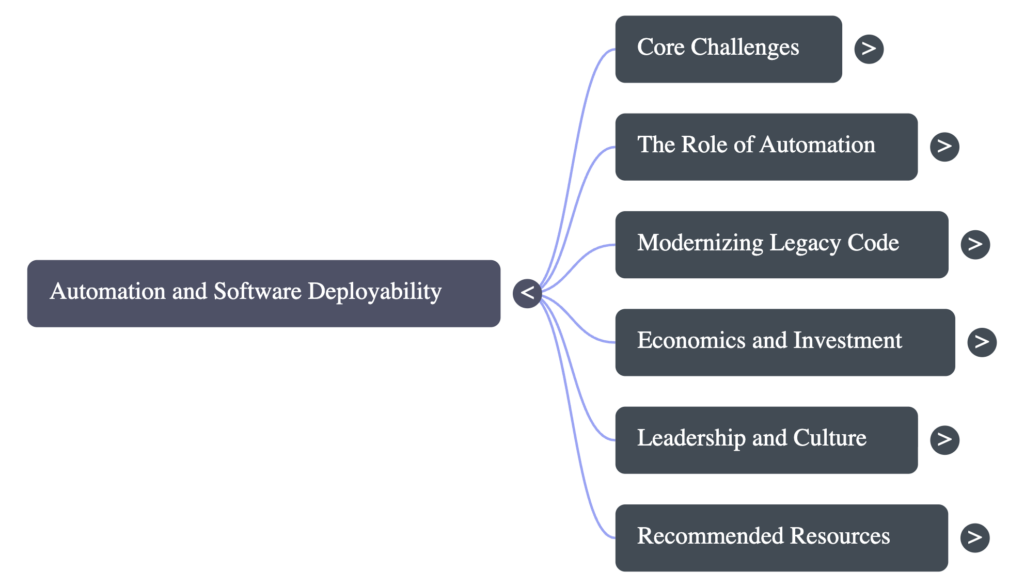
    Episode two map covering core challenges, the role of automation, modernizing legacy code, economics and investment, leadership and culture, and recommended resources

    You can also watch episodes on YouTube.

  • CD Office Hours Ep.1: Prioritizing Continuous Delivery

    CD Office Hours Ep.1: Prioritizing Continuous Delivery

    Continuous Delivery Office Hours Ep.1: Prioritizing Continuous Delivery
    Software Delivered
    CD Office Hours Ep.1: Prioritizing Continuous Delivery
    Loading
    /

    Tony Kelly hosts our first episode of Continuous Delivery Office Hours, with Bob Walker and Steve Fenton.

    In this episode of Continuous Delivery Office Hours, we ponder why prioritizing Continuous Delivery (CD) is essential for managing risk. We challenge the common instinct to reduce deployment frequency after failures, using a dentist analogy to explain how delaying deployments increases pain and risk by allowing unchecked changes to accumulate.

    We advocate decoupling “deployments” (moving code) from “releases” (exposing features) using trunk-based development and feature toggles, which lets you test safely in production and avoid the deadlocks of complex dependency management.

    Listen now to discover:

    • The dentist paradox
    • Guts on the table
    • The dog and biscuit
    • Steering with your knees

    Episode details

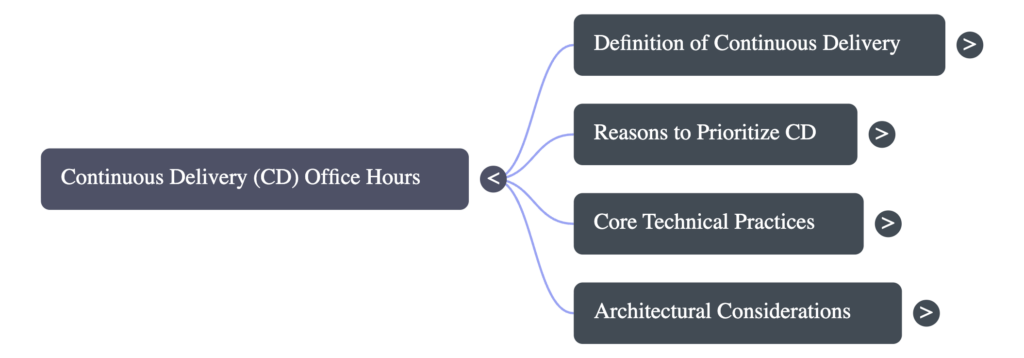
    Mind map with entries for definition of Continuous Delivery, reasons to prioritize it, core technical practices, and architectural considerations.

    You can also watch episodes on YouTube.